An older man in a straw hat stands in a clear river with his rod bent, and a silver ayu arcs out of the water at the end of the line. A rabbit and a frog cheer him on from a rock, a dragonfly crosses the sky, and a rainbow rises over the far mountains — a July afternoon in the Japanese countryside. The characters 7月 printed large in the top corner are simply Japanese for “July”; they are part of the artwork and cannot be removed, which gives you one more shape to fill in. The scene opens up plenty of conversation about fishing and summer rivers, so it works well for care-home activities as well as for quiet time at home. Free to download and print.
🗣 Conversation Starters — for care activities and family time
Have you ever been fishing? In a river, or out at sea?
Have you ever eaten salt-grilled ayu? Where was that?
Do you have memories of playing in a river in summer?
Tell us about a time you saw a dragonfly, or a rainbow.
🎣 What is tomozuri, the fishing method shown here?
Tomozuri — literally “friend fishing” — is a technique found almost nowhere outside Japan. Ayu defend a patch of river bed fiercely, so the angler swims a live ayu on the line as a decoy; when a wild fish charges the intruder it catches itself on a hook trailing behind. Reading the current and handling the long rod take real skill, and the sight of anglers standing waist-deep in a summer river is one of the season’s familiar pictures.
🐟 What kind of fish is an ayu?
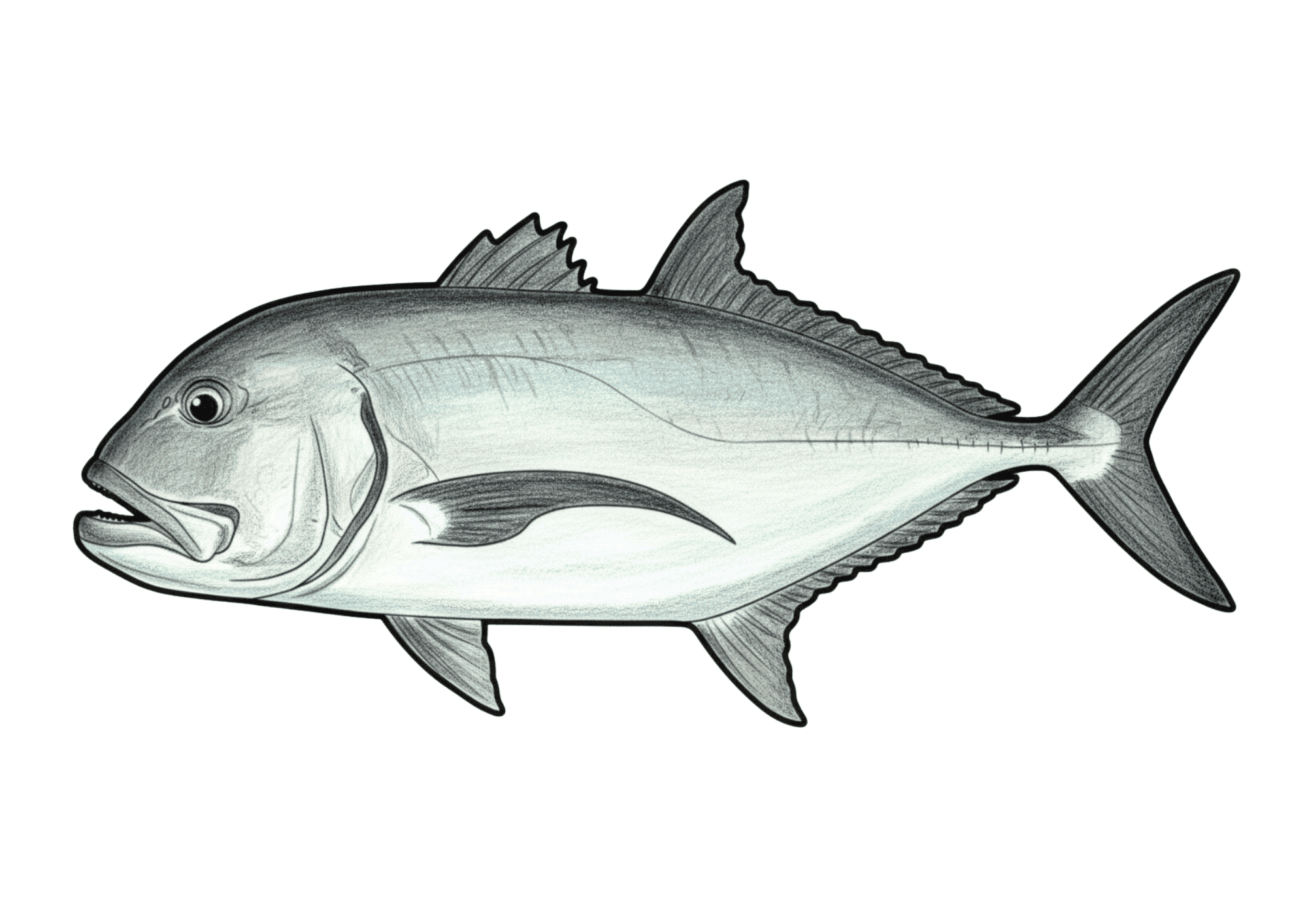
The ayu, or sweetfish, is the river fish most associated with clear Japanese streams. It is also called kougyo, “the fragrant fish”, because the flesh carries a fresh scent that people often compare to watermelon or cucumber. Ayu are strongly territorial and will body-slam any fish that enters their patch. The season runs roughly from June to September, and they are eaten salt-grilled, simmered in sweet soy, or as tempura.
🌈 Why do rainbows appear so often in summer?
A rainbow forms when sunlight is bent and reflected inside falling raindrops. Summer brings sudden showers that clear quickly, so the sun is out again while rain is still in the air — the ideal conditions. A rainbow always appears on the opposite side of the sky from the sun, which is why a late-afternoon shower so often puts one in the eastern sky.
🦗 What should we know about dragonflies?
Dragonflies gather near rivers and ponds from summer into autumn. They can hover, turn on the spot and reverse in mid-air, and they feed on mosquitoes and flies, which has long made them welcome. In Japan the dragonfly is also called kachimushi, the “victory insect”, because it flies forward and does not back away — one reason samurai liked it as a motif on armour and helmets.
🎨 Any tips for coloring this scene?
Pale blue shading into blue-green makes the river look clear rather than flat. Keep the ayu silver-grey and leave a little white along the flank for shine. For the rainbow, lay the bands down lightly in order — red, orange, yellow, green, blue, indigo, violet — so they blend where they meet. Deep green or khaki suits the man’s fishing vest.